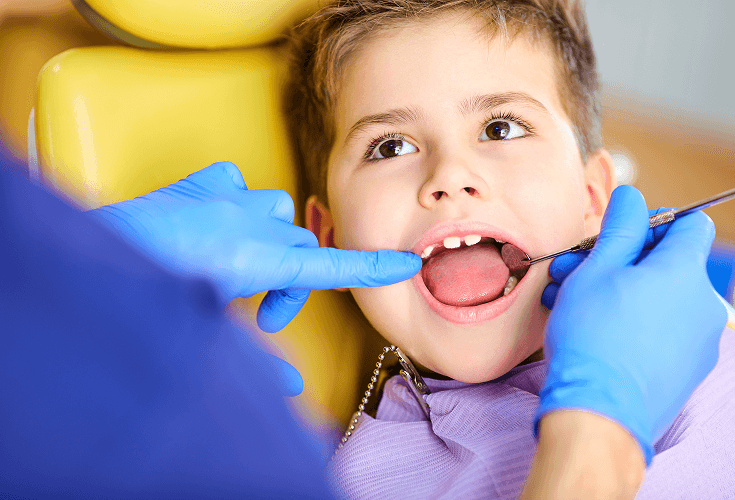
The most common reason people skip dental appointments is the absence of pain. Nothing hurts. Nothing feels wrong. The teeth look fine in the mirror. So the appointment gets pushed back a month, then another month, then quietly drops off the agenda entirely.
This logic feels reasonable. It isn’t.
The Problem With Waiting for Pain
Pain is a late signal in dentistry. By the time a tooth hurts, the problem causing that pain has usually been developing for months, sometimes years. A cavity doesn’t hurt when it’s small and easy to treat. It hurts when it’s reached the nerve, at which point the treatment is significantly more involved, more expensive, and more uncomfortable than it would have been at the earlier stage.
The same applies to gum disease. Early-stage gum disease, the point where it’s most reversible, produces almost no symptoms. No pain, minimal bleeding, nothing that would send someone to a dental appointment without one already being scheduled. By the time gum disease causes noticeable discomfort, bone loss has often already begun.
Waiting for pain before seeing a dentist is effectively waiting for problems to become serious before addressing them. It’s the most expensive and most uncomfortable approach to dental care available.
What a Checkup Actually Does
A routine dental appointment isn’t just a look around followed by a polish. It’s a systematic assessment of everything that can’t be seen without proper examination.
Early-stage decay between teeth that’s invisible without X-rays. Gum recession that’s been gradual enough to go unnoticed. Wear patterns that indicate grinding during sleep. Changes in soft tissue that warrant monitoring. These are the findings that a checkup catches, and that have no symptoms at the stage where they’re most manageable.
The professional clean that accompanies a checkup removes calculus, the hardened mineral buildup that brushing and flossing can’t address, from areas where it accumulates fastest. Left in place, calculus drives gum inflammation that leads to the bone loss that makes gum disease genuinely difficult to reverse.
The Teeth Cleaning Cost Calculation
The teeth cleaning cost of a routine professional clean is straightforward and predictable. The cost of treating advanced decay, gum disease, or a tooth that needed a root canal because early decay wasn’t caught these are significantly higher. Across a lifetime of dental care, the economics of regular maintenance versus irregular emergency treatment are not close.
Regular checkups at six-month intervals, or more frequently for patients with higher risk profiles, are the most cost-effective approach to dental health available. The teeth cleaning cost of twice-yearly maintenance is consistently lower than the treatment cost of the problems that accumulate without it.
Altamash Dental Clinic makes routine dental appointments straightforward: thorough examination, professional cleaning, and clear communication about what’s found and what’s recommended, without pressure or unnecessary treatment.
Conclusion
The absence of pain is not the same as the absence of a problem. Dental problems develop quietly and announce themselves late, when they’re more difficult and more expensive to address. A regular dental appointment catches them early. That’s the whole point, and it’s why the checkup matters most precisely when nothing seems wrong.
FAQs
How often should I have a dental checkup?
Every six months is the standard recommendation for most adults. Patients with a history of gum disease, frequent cavities, or other risk factors may benefit from more frequent visits, every three to four months.
What is included in the teeth cleaning cost at Altamash Dental Clinic?
The teeth cleaning cost covers the professional scaling and polishing that removes calculus and surface staining.