Dental anxiety is more common than most people admit. A significant proportion of adults who avoid dental care don’t do so because they don’t care about their teeth; they do so because something about the dental environment produces a level of anxiety that makes avoidance feel like the more manageable option.
The result is delayed treatment, more advanced problems when care is finally sought, and a cycle that makes each subsequent visit more difficult than the last.
Understanding where dental anxiety comes from, and how it can actually be managed, is what breaks that cycle.
Where It Comes From
Dental anxiety rarely appears from nowhere. It usually has a history behind it.
A painful or frightening experience during childhood, a procedure that hurt more than expected, a dentist who didn’t communicate well, a feeling of having no control over what was happening, can establish a fear response that persists into adulthood and gets reinforced every time a dental visit is avoided and the anxiety is never tested.
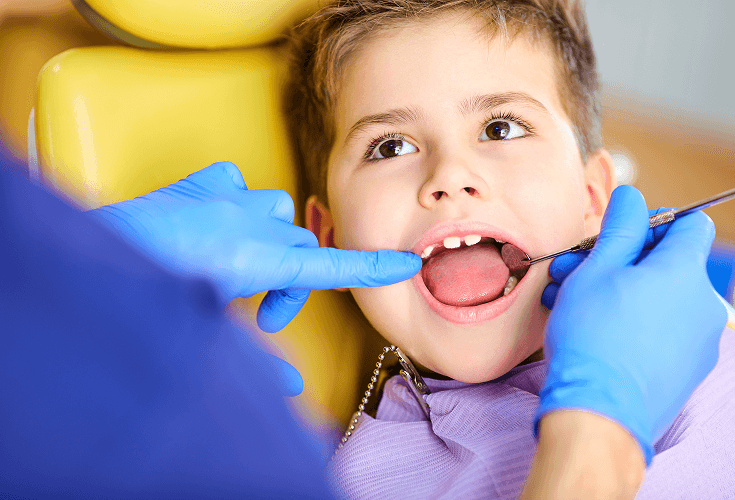
The sensory environment of a dental clinic contributes too. The sounds of dental equipment, the clinical smell, the physical position of lying back with someone working close to the face- these are unusual enough to produce discomfort in people who don’t have a specific traumatic history, and genuinely distressing for those who do.
Some anxiety is anticipatory, the fear of pain rather than pain itself. The expectation of discomfort can be more activating than the actual experience, particularly for patients whose mental image of dental treatment is based on older experiences or stories rather than what modern dentistry actually involves.
What Actually Helps
The most effective thing a dental practice can do for anxious patients is communicate clearly and consistently, before, during, and after every procedure.
Knowing what’s going to happen before it happens removes the uncertainty that feeds anticipatory anxiety. A dentist who explains each step, what they’re about to do, what sensation to expect, and what the signal is if it becomes too much, gives the patient a sense of control they wouldn’t otherwise have. That sense of control is one of the most reliably anxiety-reducing things available.
Pacing matters too. A rushed appointment that moves from one step to the next without pause is a different experience from one where the patient’s comfort is checked between steps, and there’s no pressure to keep moving if something needs a moment.
For patients with more significant anxiety, techniques like conscious sedation, a mild sedative that keeps the patient relaxed and responsive, make treatment accessible that wouldn’t otherwise be tolerated.
Altamash Dental Clinic approaches anxious patients with exactly this kind of care. The best dental treatment in Pakistan isn’t just technically competent, it’s delivered in a way that makes it possible for every patient to actually receive it.
Conclusion
Dental anxiety is real, common, and manageable. It responds to communication, pacing, and a clinical environment that treats patient comfort as part of the treatment rather than separate from it. The best dental treatment in Pakistan accounts for the whole patient, not just the teeth. If anxiety has been keeping you away, Altamash Dental Clinic is the place to start changing that.
FAQs
1. Should I tell my dentist about my anxiety before the appointment?
Yes, always. Knowing a patient has dental anxiety allows the clinical team to adjust how they communicate, how they pace the appointment, and what options are available to make the experience more manageable.
2. Does sedation dentistry make treatment painless?
Conscious sedation reduces anxiety and produces a deeply relaxed state; most patients have little memory of the procedure afterward.