Orthodontics
Perfect Smiles Start Here — Advanced Orthodontic Solutions for All Ages.
Child Orthodontics
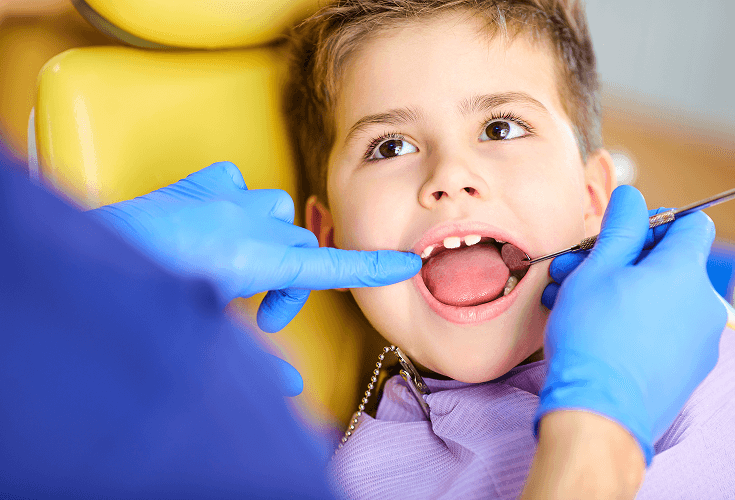
Early treatment for crooked teeth is crucial. Once a child has turned 7, it’s generally a good idea to take a trip to the orthodontist. By this time, your child should already have some permanent teeth – which makes it easier for the orthodontist to rule out dental issues he or she may encounter down the road and determine if orthodontic treatment may be necessary.
Orthodontic treatment in early development can reduce future risks of impacted teeth, permanent tooth extractions, and other conditions that may necessitate invasive dental treatment. Plus, incoming teeth can be guided by the orthodontist at this stage, allowing a greater chance that once the permanent teeth start coming in, they will have adequate room to do so. Taking your child to see the orthodontist at an early age also makes it possible for him to detect subtle problems that may not be readily apparent, even if the teeth appear relatively straight. At the same time, he may find nothing out of the ordinary and recommend only periodic check-ups to monitor the progress of incoming teeth and facial and jaw growth.
Adult Orthodontics
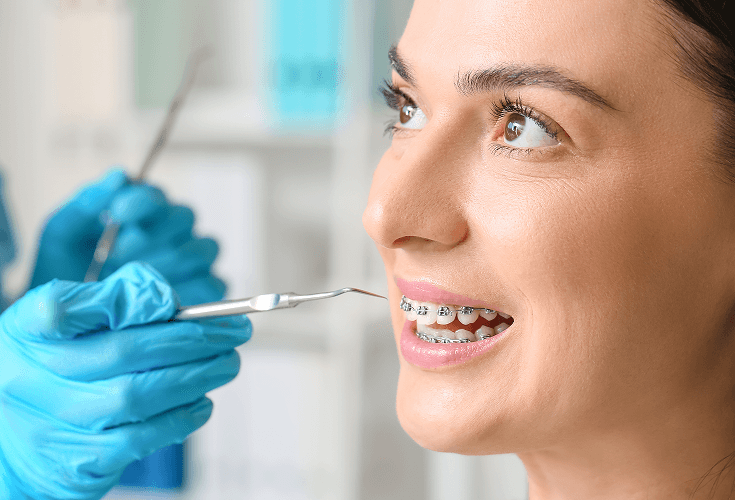
While the thought of braces often conjures images of adolescents with metal brackets and wires in their mouths, the fact is that 20 percent of patients who seek some type of orthodontic treatment are those over the age of 21. Many adults who seek orthodontic treatment to fix long-standing problems and straighten crooked teeth often do so with extreme reluctance, or end up not getting treatment at all for fear of embarrassment or discomfort. But orthodontics has come a very long way since the days of “brace face” and “metal mouth”, and there are a variety of options for adults who would like to improve their smiles.
Since an adult’s jaw bones are significantly more mature than an adolescent’s, you may require a longer orthodontic treatment plan; however, most patients who would like to straighten their teeth can take their pick of options that can provide effective results, many of which are much more discreet than traditional braces. Treatments such as Invisalign® are exceptional alternatives to metal braces; and adults can also take advantage of lingual braces (braces that are placed on the backside of the teeth instead of the front), and clear or plastic braces.
Lingual Braces
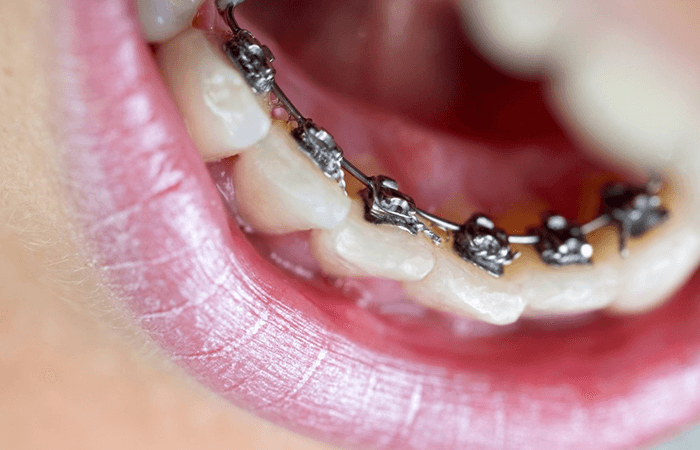
Many people don’t seek orthodontic treatment for the simple reason that they feel they would be embarrassed by wearing the traditional metal braces. However, with lingual braces, you get the same effective teeth-straightening results without anyone having to know you’re wearing them.
Lingual braces are designed to fit on the backside of the teeth, instead of the front. They work in much the same way as traditional braces, using brackets and wires to pull the teeth into a better, straighter position in the mouth; however, the brackets are designed to attach to the back of the teeth, making them invisible to others. Lingual braces typically take the same amount of time as traditional braces to achieve the optimal results. The key difference is, you don’t have to worry about anyone else knowing you are wearing braces. Plus, they can be a better alternative for those who engage in contact sports or play wind instruments. Lingual braces are also custom-fit to individual patient, often providing for better overall comfort.
Metal Braces
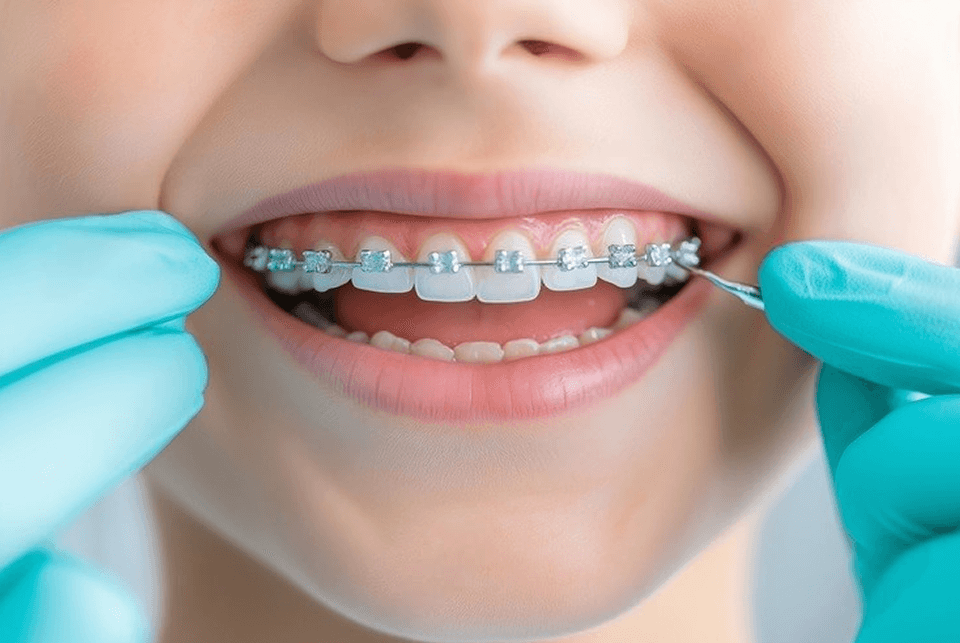
While traditional metal braces may not be the most visually appealing method of straightening teeth, they do offer significant benefits. They are typically more cost-effective than other methods, and they also may be more effective for patients with severely crooked teeth.
Clear Braces
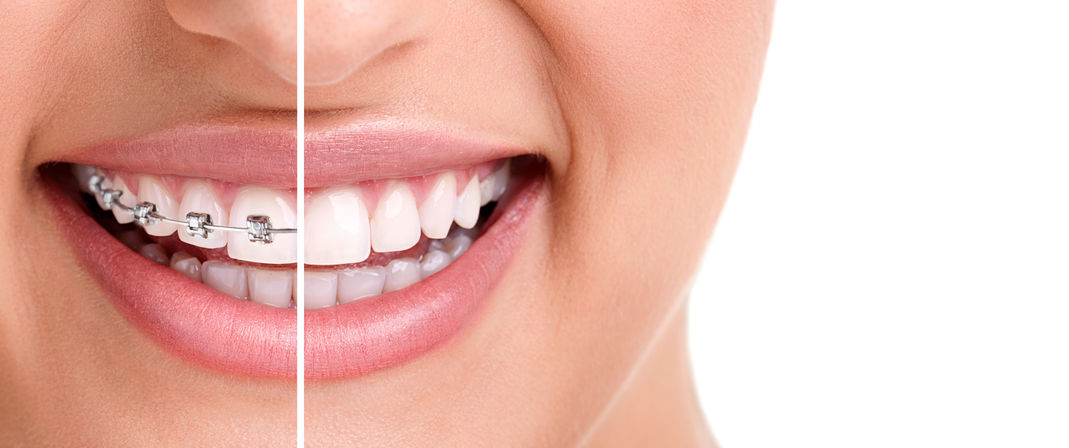
Ceramic braces use brackets that are tooth-colored, making it less noticeable to others that you are wearing braces. The brackets are also built to resist stains, making them blend with your natural tooth-color for the duration of treatment. This can ultimately lead to beautiful results in a relatively brief amount of time.
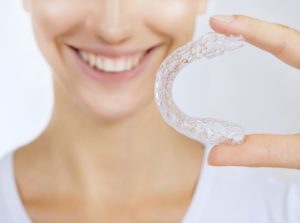
Invisalign®
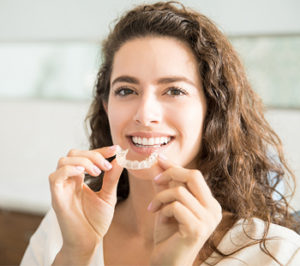
Although Invisalign® is an effective procedure for straightening teeth, the treatment is actually not bracing at all! Invisalign® is a state-of-the-art system of clear teeth aligners that can be removed while you eat and drink, providing a more comfortable way of straightening teeth while being virtually invisible to the outside world.
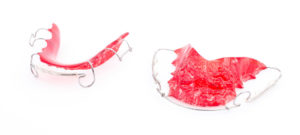
Retainers
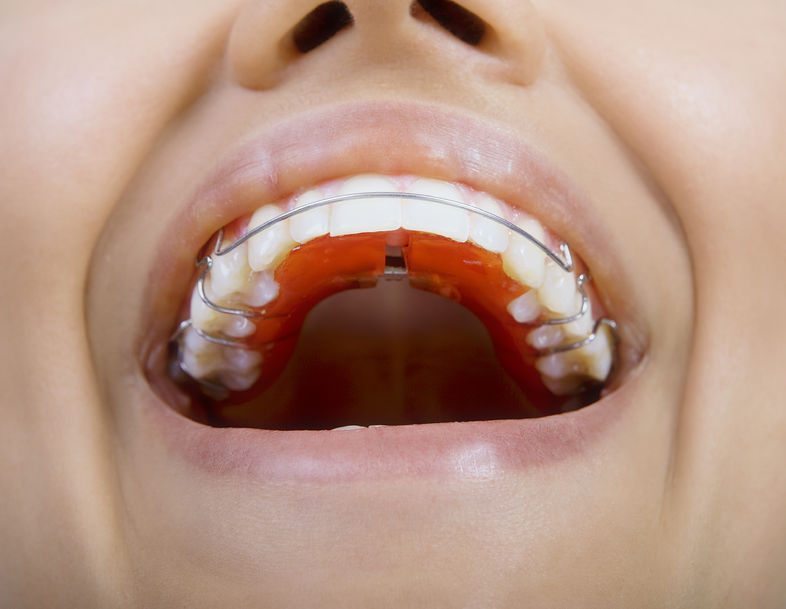
Retainers can be fixed or removable and are placed after braces have been removed. They serve a vital purpose in keeping the new position of the teeth secure. The length of time retainers are needed to be worn typically depends on each individual case.
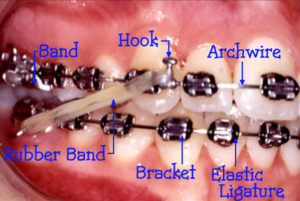
Rubber Bands
Rubber bands, or elastics, work with traditional orthodontic treatments such as braces. They can sometimes be vital to ensure the optimal success of your treatment, adding pressure to the jaws and teeth in order to bring them into a straighter position.
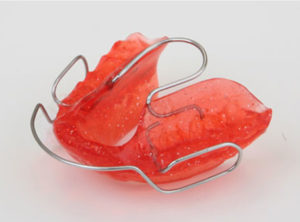
Bionator Appliance
The Bionator appliance corrects overbite by encouraging the lower jaw to position itself in a more forward direction. It can also pressure the upper molars to move backward. The appliance is typically in place for a minimum of 12 months.
Palatal Expander
An expander is fixed in place for several months to widen the upper jaw in order to correct a cross-bite or give the teeth more room to erupt inside the mouth