It usually starts with something small.
A slight discomfort while eating.
A sharp feeling when something cold or hot touches your tooth.
You ignore it.
Because it’s not constant. It comes and goes.
So it doesn’t feel serious.
But then…it stays longer than it should.
That same tooth starts reacting more often. The pain gets sharper. Deeper.
And at some point, you realize this isn’t normal anymore.
That’s usually where people delay things the most.
Not because they don’t care. But because they’re not sure if it’s serious enough.
The problem is that by the time it starts to feel serious, the situation has already escalated.
When Pain Stops Being “Normal”
Not all tooth pain means you need treatment.
But some types of pain don’t go away on their own.
A constant, throbbing pain, especially one that spreads to your jaw or head, is one of the common severe tooth pain linked to deeper infection.
It’s not just sensitivity at that point. It’s the nerve getting affected.
And that’s where things need attention.
Sensitivity That Doesn’t Fade
Cold drinks. Hot food.
A quick reaction is normal sometimes.
But if the sensitivity lingers…that’s different.
If you feel pain even after the hot or cold thing is gone, it usually means the inner part of the tooth is irritated or damaged.
One of the early root canal treatment signs is exactly this: prolonged sensitivity that doesn’t settle quickly.
Swelling, Tenderness, or Discomfort While Chewing
Sometimes it’s not even visible at first.
Just a slight discomfort when you bite down.
Then it becomes tenderness. Maybe swelling around the gum.
This happens when the infection starts building around the tooth root.
And it doesn’t fix itself. It slowly gets worse if ignored.
A Tooth That Feels “Different”
This one is subtle.
The tooth doesn’t always hurt.
It just feels…off.
Maybe slightly darker. Maybe a bit sensitive when touched.
People often ignore this stage because it’s not painful enough.
But internally, damage could already be happening.
Why Ignoring It Makes Things Worse
Pain is usually the last signal.
By the time it becomes unbearable, the infection has already progressed.
Delaying treatment doesn’t just increase discomfort, but it can also lead to more complex procedures later.
That’s why recognizing root canal signs matters more than people think.
Where Altamash Clinic Comes In
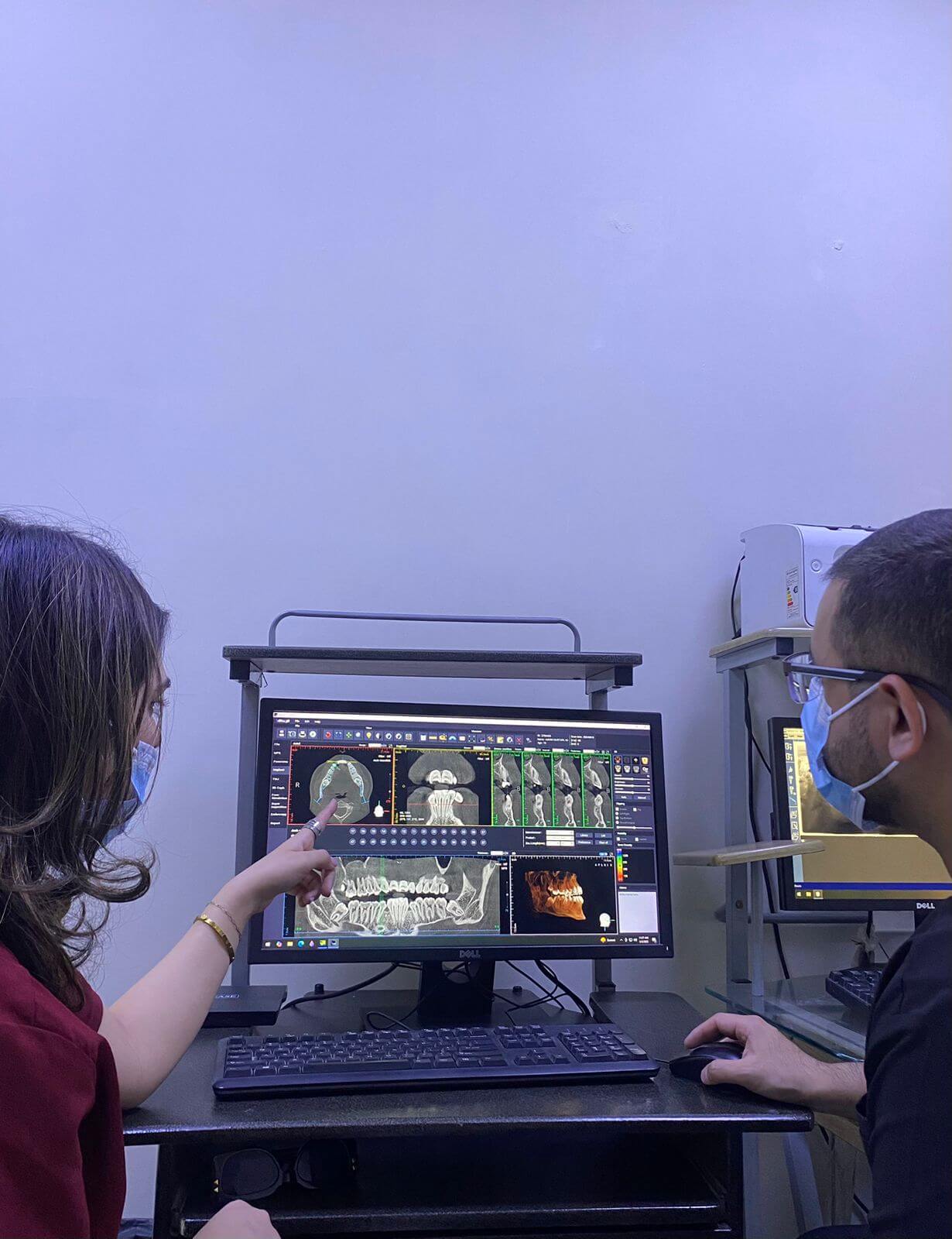
At Altamash Clinic, the focus isn’t just on treating the problem; it’s on catching it early.
Most dental issues, including those linked to severe tooth pain, can be managed more easily if diagnosed on time.
With proper evaluation and timely care, treatments like root canals become straightforward, controlled, and far less intimidating than people expect.
FAQs
- What are common severe tooth pain causes?
Common severe tooth pain causes include deep cavities, infections, and nerve damage inside the tooth.
- What are the early root canal treatment signs?
Early root canal treatment signs include prolonged sensitivity, constant pain, and discomfort while chewing.
- Can tooth pain go away without treatment?
Mild pain might, but persistent pain usually indicates a deeper issue that needs professional care.
- Is a root canal painful?
With modern techniques, root canal treatments are generally comfortable and relieve pain rather than cause it.
Final Thought
Tooth pain rarely stays the same.
It either goes away quickly…or it builds into something bigger.
The mistake is waiting too long to figure out which one it is.
If something feels off even slightly, it’s worth getting it checked.
Because early action doesn’t just save your tooth.
It saves you from everything that comes after ignoring it.